
Are you and your partner having trouble in your relationship? Here are some of the signs that could help you benefit from couples counselling, and help you get through tough times. Knowing when to ask for help is key to a happy partnership.
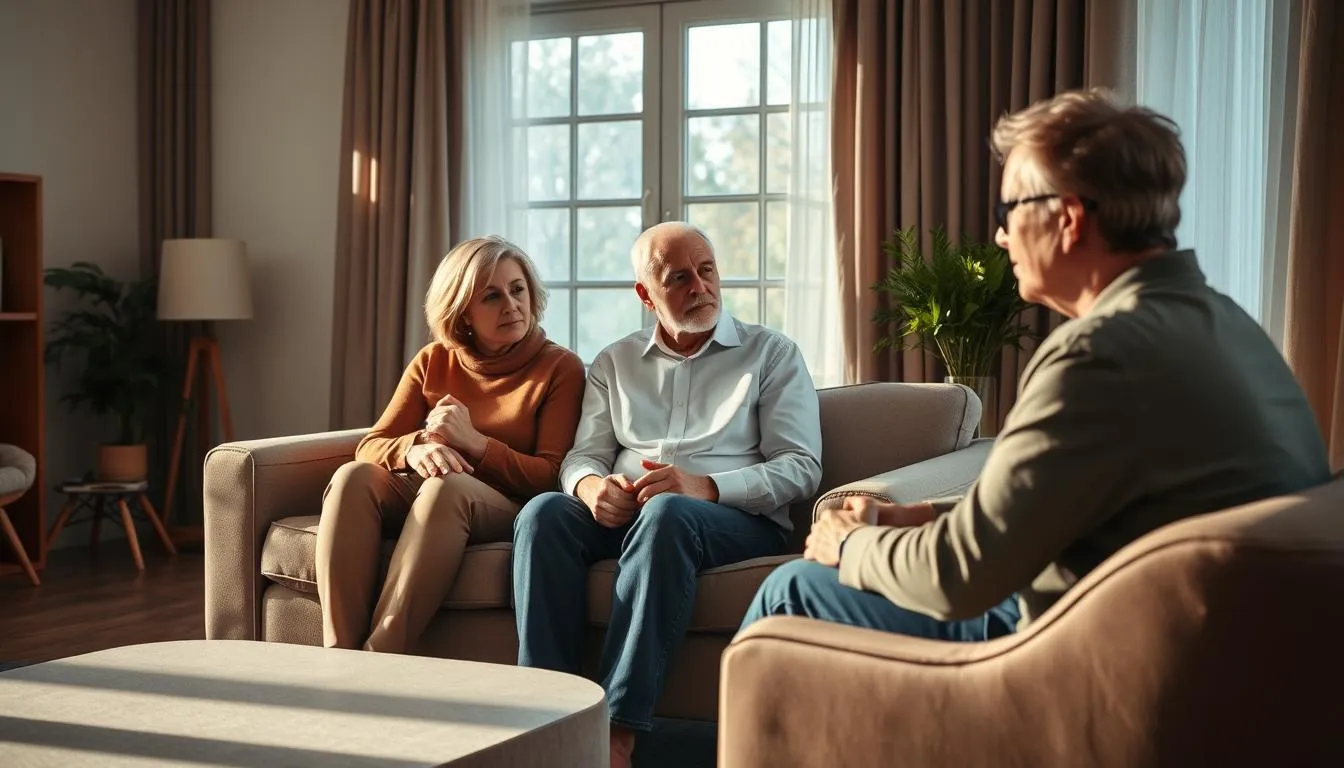
Many couples struggle with issues like poor communication, money problems, or feeling distant. Relationship therapy offers a safe space to tackle these problems. It helps build a stronger, more united bond.
👉 Break bad habits and boost focus with the 🛒 kSafe Time Locking Container—a smart way to lock away distractions like snacks, phones, cigarettes, drinking, or gaming addiction.
Table of Contents
- Understanding Benefits from Couples Counselling
- When Is the Right Time to Seek Professional Help?
- Sign1: Communication Has Broken Down
- Sign2: Recurring Arguments Without Resolution
- Sign3: Emotional Disconnection and Feeling Like Roommates
- Sign4: Trust Has Been Damaged
- Sign5: Major Life Transitions Are Causing Strain
- Sign6: Intimacy and Physical Connection Issues
- Sign7: You’re Considering Separation or Divorce
- Therapy & Counselling Insights: Professional Perspectives on Relationship Healing
- What to Expect in Your First Couples Counselling Session
- How to Approach Your Partner About Seeking Help
- Finding the Right Couples Therapist in the UK
- Online vs. In-Person Couples Counselling: Making the Right Choice
- Self-Help Strategies to Complement Professional Counselling
- Common Misconceptions About Couples Therapy
- Conclusion: Taking the First Step Toward Relationship Healing
- Frequently Asked Questions (FAQ)
- What is couples counselling, and how can it help my relationship?
- How do I know if I need couples counselling?
- What happens in a typical couples counselling session?
- How long does couples counselling typically last?
- Is online couples counselling as effective as in-person counselling?
- How do I find a qualified couples therapist?
- What are some common misconceptions about couples therapy?
- Can couples therapy help if we’re considering separation or divorce?
- Are there any self-help strategies that can complement couples therapy?
Key Takeaways
- Identify signs that indicate the need for couples counselling.
- Understand the benefits of seeking professional help for your relationship.
- Learn how therapy insights can improve communication and conflict resolution.
- Discover the role of relationship therapy in strengthening your partnership.
- Recognize the importance of addressing issues early on.
Understanding Benefits from Couples Counselling
Relationship therapy, also known as couples counselling, offers a supportive environment for partners to address their issues. It helps couples navigate through challenges, enhancing their relationship dynamics.
The Purpose and Goals of Relationship Therapy
The main goal of couples counselling is to improve communication and resolve conflicts. It aims to strengthen the emotional bond between partners. Through therapy, couples can identify negative patterns and work together to develop healthier interaction strategies.
Different Therapeutic Approaches for Couples
There are various therapeutic approaches, each with its unique methodology and benefits. Two prominent methods include:
- Emotionally Focused Therapy (EFT): EFT helps couples understand and reorganize their emotional responses to each other. It fosters a more secure and loving relationship.
- Gottman Method: The Gottman Method emphasizes building a stronger relationship. It improves communication, manages conflicts, and creates shared meaning.
Emotionally Focused Therapy (EFT)
EFT is based on the idea that emotional connection is key to a fulfilling relationship. By understanding and reshaping their emotional interactions, couples can develop a more resilient bond.
Gottman Method
The Gottman Method is based on extensive research. It provides couples with practical tools to manage conflicts and enhance their relationship. It focuses on building a culture of empathy and understanding.
Couples counselling can be a valuable resource for partners seeking to improve their relationship. By understanding the different therapeutic approaches available, couples can make informed decisions about their therapy.
When Is the Right Time to Seek Professional Help?
Knowing when to ask for help is key to a healthy relationship. Couples often face problems that professional advice can solve.
Early Intervention vs. Crisis Management
Early intervention stops small issues from becoming big problems. Getting help early teaches couples how to communicate and solve conflicts.
Preventative Couples Therapy
Preventative couples therapy is a smart move to keep your relationship strong. It helps couples understand each other better before big issues come up.
| Benefits | Early Intervention | Crisis Management |
|---|---|---|
| Improved Communication | Enhanced | Variable |
| Conflict Resolution | Effective | Challenging |
| Relationship Strength | Strengthened | Variable |
Sign1: Communication Has Broken Down
Good communication is key in any relationship. When it fails, it’s a sign that therapy might be needed. Couples who can’t share their thoughts and feelings easily often face misunderstandings and conflict.
Identifying Unhealthy Communication Patterns
There are many unhealthy ways couples talk to each other. These include criticism, defensiveness, stonewalling, and contempt. These actions can weaken a relationship, making it hard to solve problems together.
Criticism and Defensiveness
Criticism attacks a partner’s character, not the issue. Defensiveness happens when someone gets too protective and dismissive. This can make conflicts worse and create a bad communication space.
Stonewalling and Contempt
Stonewalling means one partner stops talking and won’t engage. Contempt shows disrespect or disdain. Both can make a partner feel isolated and hurt.
How Counselling Rebuilds Communication Channels
Couples therapy can help change bad communication habits. It teaches skills like active listening and clear expression. This way, couples can talk better and understand each other more.
| Unhealthy Pattern | Healthy Alternative |
|---|---|
| Criticism | Specific complaint |
| Defensiveness | Open-minded listening |
| Stonewalling | Engaging in conversation |
| Contempt | Respectful expression |
By improving how they talk, couples can make their relationship stronger. They can solve problems better and understand each other deeper.
Sign2: Recurring Arguments Without Resolution
When couples keep arguing without solving their problems, it’s a sign they might need help. Recurring arguments show there are deeper issues not being tackled.

The Cycle of Conflict and Negative Patterns
Every couple has conflicts, but when they keep happening without a fix, it’s bad. This can lead to a cycle of negativity. Patterns like escalation and avoidance can make things worse. It’s key to break these cycles.
Learning Productive Conflict Resolution Skills
Good conflict resolution is more than just solving the immediate problem. It’s about learning to disagree in a healthy way. Couples counselling teaches partners how to handle conflicts well.
Active Listening Techniques
Active listening is vital in solving conflicts. It means really listening to what the other person says and understanding their view. Techniques include eye contact, nodding, and repeating back what they said.
Fair Fighting Rules
Having fair fighting rules helps couples argue better. These rules include no personal attacks, no past grievances, and taking breaks when it gets too heated. Fighting fairly helps solve issues without hurting the relationship.
By tackling the cycle of conflict and learning to resolve it well, couples can have a better relationship. Couples counselling offers a place to learn these skills together.
Sign3: Emotional Disconnection and Feeling Like Roommates
When couples start to feel like roommates, it’s a sign of emotional disconnection. This feeling shows up as a lack of intimacy and shared activities. It’s like living together but feeling alone.
Recognizing Emotional Distance in Your Relationship
Emotional distance starts small but grows over time. Signs include a lack of interest in each other’s lives and less affection. It feels like you’re alone, even when you’re together.
Rebuilding Emotional Intimacy Through Therapy
Therapy is key to rebuilding emotional closeness. It guides couples to reconnect deeply. Vulnerability is crucial in this journey.
Vulnerability Exercises
Vulnerability exercises help partners share their true selves. This means listening actively and showing empathy. It’s a step towards reconnecting emotionally.
Emotional Awareness Training
Emotional awareness training helps manage feelings better. It lets couples meet each other’s emotional needs. This builds a closer, more supportive bond.
Through these steps, couples can strengthen their connection. They can move past feeling like roommates.
Sign4: Trust Has Been Damaged
Damaged trust is a common issue in many relationships. It often comes from infidelity or betrayal. Fixing this can be hard, but it’s crucial for a relationship to survive.
Recovering from Betrayal and Infidelity
Getting over betrayal and infidelity takes a lot of work. It means acknowledging the hurt, understanding why it happened, and working together to rebuild trust. Couples therapy helps by offering a safe space to talk and work through problems.
Rebuilding Trust Through Guided Therapeutic Processes
Building trust back involves being open and taking responsibility. Couples must talk openly and honestly. Guided therapy helps them learn how to do this and strengthen their bond.
Transparency and Accountability
Being transparent means being open and honest. Accountability means owning up to your actions. These are key steps in rebuilding trust.
Forgiveness vs. Reconciliation
Forgiveness and reconciliation are different. Forgiveness is about letting go of anger. Reconciliation is about fixing the relationship. Forgiveness may take time, but it’s not always needed for reconciliation.
| Key Elements | Description |
|---|---|
| Transparency | Being open and honest in all interactions |
| Accountability | Taking responsibility for one’s actions |
| Forgiveness | Letting go of negative emotions associated with the betrayal |
| Reconciliation | Rebuilding the relationship |
Sign5: Major Life Transitions Are Causing Strain
Major life changes can really strain relationships. They often lead to feeling disconnected and stressed. These changes, though positive, can shake up a relationship’s balance, asking couples to grow and adapt together.
Navigating Parenthood, Career Changes, and Relocations
Big life changes like becoming parents, changing careers, or moving can be tough. They can change a relationship’s balance and routine. Couples need to adjust how they communicate, stay intimate, and support each other.
For example, having a child brings joy but also stress. It can change a couple’s dynamic. Career changes or moving to a new place also bring new challenges, testing a couple’s strength and unity.
Creating United Fronts During Significant Life Changes
To get through these changes, couples must stand together. This means making decisions together and supporting each other. It’s important for both to feel heard and valued.
Shared Decision-Making Strategies
Good decision-making during big changes needs open talk and compromise. Couples should try to see things from each other’s point of view. They should work together to find solutions that work for both.
Supporting Each Other Through Transitions
Support is key in any relationship, especially during big changes. Being empathetic and understanding helps partners face the challenges of life’s big changes.
| Life Transition | Common Challenges | Strategies for Success |
|---|---|---|
| Parenthood | Stress, sleep deprivation, altered dynamics | Shared childcare responsibilities, maintaining intimacy |
| Career Changes | Pressure to succeed, potential relocation | Open communication, mutual support |
| Relocations | Adjusting to a new environment, leaving behind support networks | Exploring the new location together, maintaining connections with loved ones |
By using these strategies, couples can handle the stress of big life changes. This can make their relationship stronger.
👉 Experience deeper, more restful sleep with a soft, pressure-soothing 🛒 weighted blanket—ideal for reducing anxiety and improving relaxation.
Sign6: Intimacy and Physical Connection Issues
Even the strongest relationships can face intimacy issues. These problems leave couples feeling disconnected and unsure about how to reconnect. Intimacy and physical connection are key in any romantic relationship. When they start to fade, it’s a sign of deeper issues that need to be addressed.
Addressing Sexual Incompatibility and Desire Discrepancies
Sexual incompatibility and desire differences are common in couples. These problems can come from poor communication, emotional distance, or unresolved conflicts. Couples therapy offers a safe space to explore these issues. It helps understand their causes and find solutions that work for both.
Reconnecting Physically Through Therapeutic Guidance
Therapy can help couples reconnect physically. It addresses the emotional and psychological factors behind their intimacy issues. Techniques like sensate focus exercises are especially useful.
Sensate Focus Exercises
Sensate focus exercises help couples rebuild their physical connection. They focus on the sensations and pleasure of touch, not performance. This approach reduces anxiety and boosts intimacy.
Communication About Physical Needs
Talking openly about physical needs and desires is key to rebuilding intimacy. Couples therapy teaches partners how to express their needs clearly and respectfully. This fosters a deeper understanding and connection.
| Technique | Description | Benefit |
|---|---|---|
| Sensate Focus Exercises | Focusing on touch and sensation | Reduces performance anxiety |
| Open Communication | Discussing desires and needs | Increases emotional intimacy |

Sign7: You’re Considering Separation or Divorce
Thinking about separating or getting a divorce is a big step. It’s a time when couples face the truth about their relationship. They must think about what the future holds for them together.
Last-Resort Therapy: Is It Too Late?
When a relationship is almost over, therapy might come to mind. But, it’s never too late to get help. Last-resort therapy offers a safe place for couples to talk about their feelings. They can work on their problems, even if they think they’re going to split up.
Therapy at this point is tough, but it’s doable. Both partners need to be ready to work together. Even if they’ve decided to separate or divorce.
Discernment Counselling: Deciding Whether to Stay Together
Discernment counselling is for couples unsure about their future. It helps them understand their own wants and the relationship’s dynamics. This way, they can decide if they should stay together or go their separate ways.
Clarity and Closure
The main aim of discernment counselling is to get clarity about the relationship. Through talks, couples learn more about their situation. This leads to a clearer choice about their future.
Conscious Uncoupling vs. Reconciliation
Discernment counselling also explores options like conscious uncoupling or getting back together. Conscious uncoupling means separating in a friendly way. Reconciliation is about fixing the relationship. Therapy helps couples make a well-informed choice about their future.
Whether they choose to stay together or go their separate ways, discernment counselling‘s goal is clear. It’s to give couples the tools and understanding they need to move forward, no matter what they decide.
Therapy & Counselling Insights: Professional Perspectives on Relationship Healing
Professional insights from therapists can greatly help in healing relationships. Couples therapy is a detailed process. It involves understanding the relationship’s dynamics and fixing issues that stop it from growing.
What Therapists Wish Couples Knew Before Starting
Therapists wish couples knew the therapy’s importance. It’s not just about attending sessions. It’s about actively working on the relationship between sessions. Couples need to be ready to face their issues and be open to change.
Success Rates and Realistic Expectations
Knowing the success rates of couples therapy helps set realistic expectations. Research shows that therapy can greatly improve relationships. It can lead to significant satisfaction for many couples.
Research on Couples Therapy Effectiveness
Studies prove that therapy can solve conflicts and boost relationship quality. A study in the Journal of Marital and Family Therapy found therapy reduced conflicts and increased satisfaction.
Timeframes for Seeing Results
The time to see therapy results varies. Some see improvements quickly, while others take longer. It’s key to have realistic expectations and understand therapy is a journey.
| Therapy Aspect | Typical Timeframe | Factors Influencing Outcome |
|---|---|---|
| Initial Improvements | 1-3 months | Commitment to therapy, openness to change |
| Significant Progress | 3-6 months | Consistency in attending sessions, application of learned skills |
| Long-term Results | 6-12 months or more | Continued effort, maintenance of new skills and perspectives |
Understanding these aspects helps couples navigate therapy better. They can work towards a healthier, more fulfilling relationship.
What to Expect in Your First Couples Counselling Session
The first session is a safe space for both partners to share their concerns and hopes. It’s the first step in understanding therapy and starting your journey together.
Common First-Session Procedures and Assessments
In the first session, the therapist will explain the counselling process and set rules for therapy. They will talk about confidentiality, their approach, and what future sessions will be like.
Assessments might include questionnaires or interviews. They help the therapist understand your relationship, the issues you face, and your therapy goals.
Preparing Mentally and Emotionally for Therapy
Getting ready for your first session means being open to exploring your feelings and concerns. It’s good to think about your relationship dynamics and what you want to work on.
Questions Your Therapist Might Ask
Your therapist will ask about your relationship history, how you communicate, and the challenges you’re facing. Being honest and open is key for effective therapy.
Setting Initial Goals
Setting initial goals helps guide the therapy. These goals should be clear, reachable, and match what you both want to achieve through counselling.
| Aspect | Description | Benefit |
|---|---|---|
| Procedures | Outlining the counselling process and ground rules | Establishes a clear understanding of the therapy process |
| Assessments | Understanding relationship dynamics through questionnaires or interviews | Helps tailor the therapy to your specific needs |
| Goal Setting | Identifying specific, achievable goals for therapy | Provides direction and focus for the counselling sessions |
“The first session is about laying the groundwork for a successful therapy experience. It’s about understanding where you are and where you want to be.”
Knowing what to expect and being prepared can make your first couples counselling session a success. It sets a positive start for your therapy journey.
How to Approach Your Partner About Seeking Help
Talking to your partner about couples counselling needs care and thought. It’s key to start this talk in a supportive and gentle way.
Framing the Conversation Positively
When you talk about therapy, highlight its good points. Focus on how it can make your relationship stronger and improve how you talk to each other. Share your worries and feelings using “I” statements. This way, you avoid blame and keep the conversation open.
Handling Resistance and Hesitation
It’s normal for your partner to feel unsure or resistant to therapy. Be patient and understanding, and listen to their worries. Tell them that seeking therapy shows you’re both working together to make your relationship better.
Addressing Common Fears About Therapy
Some people think therapy is only for big problems or that it means they’ve failed. Let your partner know that therapy is a step towards a better relationship. It’s about facing challenges together and growing as a couple.
Using “I” Statements Instead of Blame
Using “I” statements can make the conversation less tense and defensive. For instance, say “I feel unhappy when we don’t communicate well” instead of “You never listen to me.” This method leads to a more helpful and less accusatory talk.
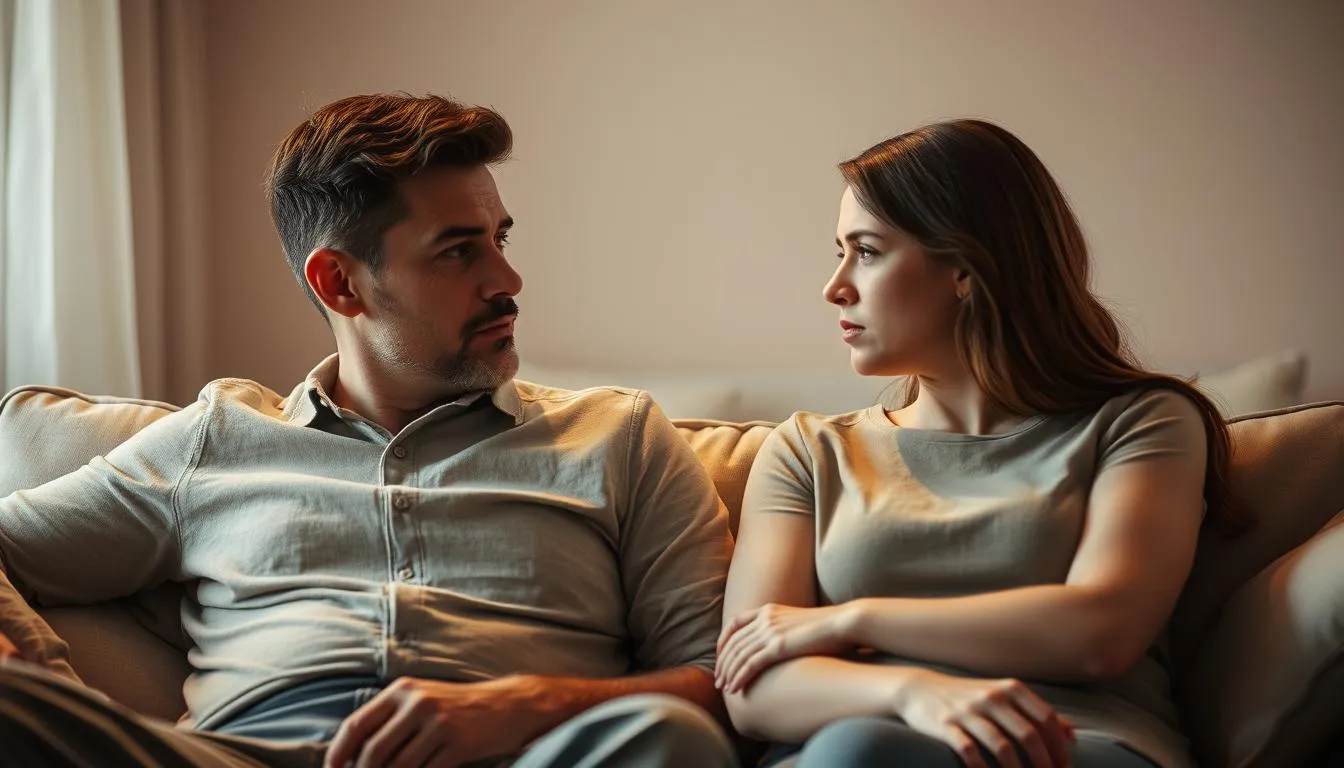
By being empathetic and open-minded, you can make the conversation about couples counselling positive and supportive.
Finding the Right Couples Therapist in the UK
Finding a couples therapist is the first step to a better relationship. Look for someone who is both qualified and a good match for you. With the right help, you and your partner can overcome challenges and build a more rewarding relationship.
Qualifications and Credentials to Look For
When searching for a couples therapist in the UK, check their qualifications. Look for therapists registered with the UK Council for Psychotherapy (UKCP) or the British Association for Counselling and Psychotherapy (BACP). These groups ensure therapists meet high standards and follow a code of ethics.
Questions to Ask Potential Therapists
Before starting therapy, ask potential therapists some questions. Ask about their:
- Experience working with couples: How long have they worked with couples, and what issues have they helped with?
- Therapeutic approach: What methods do they use, and how can these help your relationship?
Specializations and Experience
Some therapists focus on specific areas, like infidelity, communication issues, or sexual compatibility. Choosing a therapist with experience in your specific issues can be very helpful.
Therapeutic Style and Approach
The therapist’s style and approach matter a lot. Some are more directive, while others are non-directive. Knowing their style helps you decide if they’re right for you and your partner.
By considering these factors, you can find a couples therapist in the UK who fits your needs. They will help you and your partner on your journey to a healthier, more fulfilling relationship.
Online vs. In-Person Couples Counselling: Making the Right Choice
Couples therapy has changed a lot, offering online or in-person options. This change has led to a debate on the best way to heal relationships.
The Rise of Virtual Therapy Options
Online therapy, or virtual counselling, is becoming more popular. It’s convenient and easy to access. Couples can attend sessions from home, saving time and effort.
Online counselling offers several benefits:
- Flexibility in scheduling
- Comfort and privacy at home
- Access to more therapists
Comparing Effectiveness and Convenience
When looking at online and in-person therapy, consider both how well it works and how easy it is to do. Studies show both can be effective. The success depends on the couple’s commitment and the therapist’s skill.
| Modality | Effectiveness | Convenience |
|---|---|---|
| Online Counselling | Highly effective for many couples | Very convenient; accessible from anywhere |
| In-Person Counselling | Highly effective; allows for non-verbal cues | Less convenient due to travel requirements |
Technology Requirements for Online Sessions
For online therapy to work well, you need certain technology. You’ll need a fast internet, a device with a camera and microphone, and a quiet, private space.
Privacy and confidentiality are key in couples therapy, no matter the type. For online therapy, make sure the platform is secure and follows data protection rules.
In conclusion, choosing between online and in-person therapy depends on what each couple needs. Think about what’s most convenient, effective, and comfortable for you. This will help you make the best choice for your relationship.
Self-Help Strategies to Complement Professional Counselling
Self-help strategies can really help when you’re in counselling. They give couples more ways to grow closer. By using these strategies every day, couples can move faster and build a stronger relationship.
Relationship Books and Resources
Looking into relationship books and resources is a great idea. They can teach you about talking better, solving fights, and getting closer. Recommended books include “The Gottman Institute’s ‘The Seven Principles for Making Marriage Work'” and “Dr. Sue Johnson’s ‘Hold Me Tight: Seven Conversations for a Lifetime of Love'”. These books offer tips and exercises to make your relationship better.
Daily Practices for Connection
Doing daily practices can really help partners connect. These can be special exercises and rituals.
Communication Exercises
Good communication is key in any relationship. Active listening exercises help a lot. One person talks while the other listens carefully without interrupting. Also, having scheduled check-ins can help solve problems early.
Gratitude and Appreciation Rituals
Showing gratitude and appreciation can make your relationship stronger. Simple things like saying three nice things about your partner each day can make a big difference. It creates a positive and supportive atmosphere.
| Practice | Description | Benefit |
|---|---|---|
| Active Listening | One partner speaks while the other listens without interrupting | Improves communication |
| Scheduled Check-ins | Regularly scheduled times to discuss issues | Prevents issue escalation |
| Gratitude Sharing | Sharing things you appreciate about your partner daily | Fosters positivity |
Common Misconceptions About Couples Therapy
Couples therapy is often misunderstood, which can stop couples from getting help. Many think therapy is only for when things are really bad or that it means a relationship is failing. But, therapy is actually a positive step to make a relationship stronger.
Debunking Therapy Myths and Stigmas
One big myth is that therapy is only for couples who are splitting up. But, therapy can help any couple, whether they’re facing big problems or just want to get closer.
The Reality of Modern Couples Counselling
Today’s couples counselling can tackle many issues, like communication problems or feeling distant. It’s not about blaming one person but about improving how the couple works together.
“Therapy Is Only for Failing Relationships”
This myth stops many couples from getting help. But, therapy can actually prevent big problems from happening.
“The Therapist Will Take Sides”
A good therapist stays neutral, helping both partners understand each other. They aim to help the couple talk better and find common ground.
| Myth | Reality |
|---|---|
| Therapy is for failing relationships | Therapy is a proactive step to strengthen any relationship |
| Therapists take sides | Therapists remain neutral to facilitate constructive dialogue |
| Therapy is a sign of weakness | Seeking therapy shows strength and a commitment to the relationship |
Knowing the truth about couples therapy helps couples make better choices. It’s about taking steps towards a better, more loving relationship.
Conclusion: Taking the First Step Toward Relationship Healing
Seeing the signs that show you need help is the first step to fixing your relationship. Couples therapy can change things, helping you both face and overcome challenges. It’s a way to make your bond stronger.
👉 Understand your relationship patterns with 🛒 Attached—a science-backed guide to adult attachment styles and building lasting love.
Starting to seek help can feel scary, but it’s key to healing and growing. A good therapist can guide you through tough times. They help you talk better and understand each other deeper.
By starting to heal your relationship, you can find love and connection again. It’s about building a strong bond that can handle life’s ups and downs. The first step is to ask for professional help.
📌 Related Read: What to Expect in Your First Therapy Session
Frequently Asked Questions (FAQ)
What is couples counselling, and how can it help my relationship?
Couples counselling helps partners improve their communication and intimacy. A trained therapist works with the couple to identify issues. They help develop strategies to strengthen their relationship.
How do I know if I need couples counselling?
You might need counselling if you’re having trouble communicating or arguing a lot. Emotional disconnection or considering separation are also signs. These issues can affect your relationship.
What happens in a typical couples counselling session?
In a session, the therapist helps you and your partner identify issues. They teach communication skills and work through challenges. Techniques like active listening help you understand each other’s needs.
How long does couples counselling typically last?
Counselling length varies based on the couple’s needs. Some see improvement in a few sessions, while others need more time. Research shows therapy can be effective in 6-12 sessions, but it can vary.
Is online couples counselling as effective as in-person counselling?
Online counselling is just as effective as in-person sessions. Many therapists offer virtual sessions. This is convenient for those with busy schedules or living far away.
How do I find a qualified couples therapist?
Look for therapists with relevant credentials and experience with couples. Ask for referrals from friends or your doctor. Choose a therapist whose style and approach fit your needs.
What are some common misconceptions about couples therapy?
Some think therapy is only for failing relationships or that the therapist takes sides. Modern couples counselling is supportive and non-judgmental. It helps partners strengthen their relationship.
Can couples therapy help if we’re considering separation or divorce?
Yes, therapy can help even if you’re considering separation or divorce. Discernment counselling is designed for this situation. It helps you both gain clarity and work through the process constructively.
Are there any self-help strategies that can complement couples therapy?
Yes, self-help strategies like communication exercises and gratitude rituals can help. Reading relationship books can also strengthen your connection. These activities improve your relationship.