
Mindfulness is about being fully present in the moment. It involves noticing your thoughts, feelings, and physical sensations without judging them. This practice is great for reducing stress and boosting your well-being. In this guide, we’ll cover the basics of mindfulness. You’ll see how it helps with self-care and personal growth. We’ll show you easy ways to add mindfulness to your day through simple exercises and meditation techniques.
👉 Understand your relationship patterns with 🛒 Attached—a science-backed guide to adult attachment styles and building lasting love.
Table of Contents
- What is Mindfulness?
- The Science Behind Mindfulness
- Key Benefits of Mindfulness Practice
- Mindfulness and Stress Reduction
- Creating Your Mindfulness Practice Space
- Mindful Breathing Techniques
- Body Scan Meditation for Beginners
- Mindful Walking: Connecting with the Present Moment
- Mindful Eating Practices
- Mindfulness for Better Sleep
- Incorporating Mindfulness into Daily Activities
- Overcoming Common Mindfulness Challenges
- Mindfulness Apps and Digital Resources
- Mindfulness as a Path to Self-Care & Personal Growth
- Conclusion
- Frequently Asked Questions (FAQ)
- What is mindfulness and how can it benefit my mental health?
- How do I start a mindfulness practice?
- What are some common challenges people face when practicing mindfulness, and how can they be overcome?
- Can mindfulness be practiced in daily activities like work or commuting?
- Are there any mindfulness apps or digital resources you recommend?
- How can mindfulness help with stress reduction and sleep improvement?
- Can mindfulness be practiced with others, or is it a solo activity?
- How long does it take to see the benefits of mindfulness practice?
Key Takeaways
- Understand the concept of mindfulness and its benefits
- Learn simple mindfulness exercises for daily practice
- Discover how mindfulness can improve overall well-being
- Explore the role of meditation in mindfulness practice
- Find tips for incorporating mindfulness into your daily routine
What is Mindfulness?
Mindfulness starts with looking at its history and how it has changed. It’s about being fully in the moment and aware of our thoughts, feelings, and body. This practice helps us stay present without judging ourselves.
The Ancient Origins of Mindfulness
Mindfulness comes from ancient Eastern spiritual traditions, especially Buddhism. It was used to find enlightenment and peace. Jon Kabat-Zinn, a well-known mindfulness expert, says, “Mindfulness is about paying attention on purpose, in the now, without judging what we experience.” This old practice has shaped many cultures and spiritual beliefs.
The history of mindfulness is deep and varied, going back to ancient India and China. Buddha and other leaders taught the value of being present and aware.
Modern Interpretations and Applications
Today, mindfulness has grown to include many areas of life. It’s not just for spiritual or religious purposes anymore. It’s used in mental health, education, and workplace wellness. Programs like mindfulness-based stress reduction (MBSR) and mindfulness-based cognitive therapy (MBCT) show its benefits for mental health.
Mindfulness is becoming more popular worldwide. It’s helping people deal with stress, focus better, and feel better overall. It’s becoming a part of everyday life.
The Science Behind Mindfulness
Mindfulness is gaining recognition for its benefits to mental and physical health. By looking into the science, we can understand how it boosts our wellbeing.
Neurological Benefits of Mindfulness Practice
Mindfulness changes the brain in positive ways. Studies show it improves areas linked to attention, emotions, and memory. Regular practice can increase grey matter in the brain, boosting our thinking skills.
It also helps control stress, reducing hormones like cortisol. This can lower anxiety and improve mental health.
Research-Backed Evidence
Many studies have looked into mindfulness’s effects on health. They found it can lower blood pressure, improve sleep, and better emotional control.
Moreover, mindfulness helps in managing chronic pain, depression, and anxiety. This makes it a valuable addition to healthcare.
Knowing the science behind mindfulness helps us decide to include it in our lives. It can lead to better overall wellbeing.
Key Benefits of Mindfulness Practice
Mindfulness offers many benefits, from better mental health to improved emotional control. It can greatly enhance your overall wellbeing.
Mental Health Improvements
Mindfulness helps improve mental health. It reduces anxiety and depression and boosts focus and concentration.
Anxiety and Depression Reduction
Regular mindfulness practice can help lower anxiety and depression. It teaches you to stay present and handle negative thoughts better. Mindfulness-based stress reduction (MBSR) is a popular method for this.
Enhanced Focus and Concentration
Mindfulness improves focus and concentration. It trains your mind to stay focused on one task. This boosts productivity and reduces distractions.
Physical Health Benefits
Mindfulness is good for your body as well as your mind. It can lower blood pressure, reduce chronic pain, and strengthen your immune system.
| Physical Health Benefit | Description |
|---|---|
| Lower Blood Pressure | Mindfulness practice has been linked to reduced blood pressure in both healthy individuals and those with hypertension. |
| Reduced Chronic Pain | Mindfulness helps in managing chronic pain by increasing the brain’s pain tolerance and decreasing emotional reactivity. |
| Boosted Immune System | Regular mindfulness practice can strengthen the immune system by reducing stress and promoting relaxation. |
Enhanced Emotional Regulation
Mindfulness improves emotional control. It increases awareness of thoughts and emotions. This allows for more thoughtful responses rather than impulsive ones. As
“The present moment is the only moment available to us, and it is the door to all moments.” – Thich Nhat Hanh
Mindfulness and Stress Reduction
Mindfulness is now known to help reduce stress and promote relaxation. It teaches us to focus on the present moment. This way, we can better manage stress.
Combatting Stress with Mindfulness
Mindfulness fights stress by teaching us to be aware of the now without judgment. It helps us stop worrying about the past or future. Mindfulness practices like meditation and deep breathing calm our minds and bodies, lowering stress.
Regular mindfulness can change our brains to handle stress better. Studies show it cuts down stress hormones like cortisol. This leads to a calmer, more balanced state.
Practical Stress-Reduction Techniques
There are simple ways to reduce stress with mindfulness. Two good methods are the 5-4-3-2-1 grounding exercise and the three-minute breathing space.
The 5-4-3-2-1 Grounding Exercise
The 5-4-3-2-1 exercise is a powerful stress-reducer. It involves:
- Noticing 5 things you can see around you
- Acknowledging 4 things you can touch or feel
- Identifying 3 things you can hear
- Recognising 2 things you can smell
- Taking 1 deep breath
This exercise keeps you focused on the present, away from stressful thoughts.
Three-Minute Breathing Space
The three-minute breathing space is another useful mindfulness exercise. It involves:
- Spending the first minute noticing your surroundings and bodily sensations
- Dedicating the second minute to focusing on your breath
- Using the third minute to expand your awareness to your whole body and surroundings
This exercise can be done anywhere, making it great for managing stress all day.
Creating Your Mindfulness Practice Space
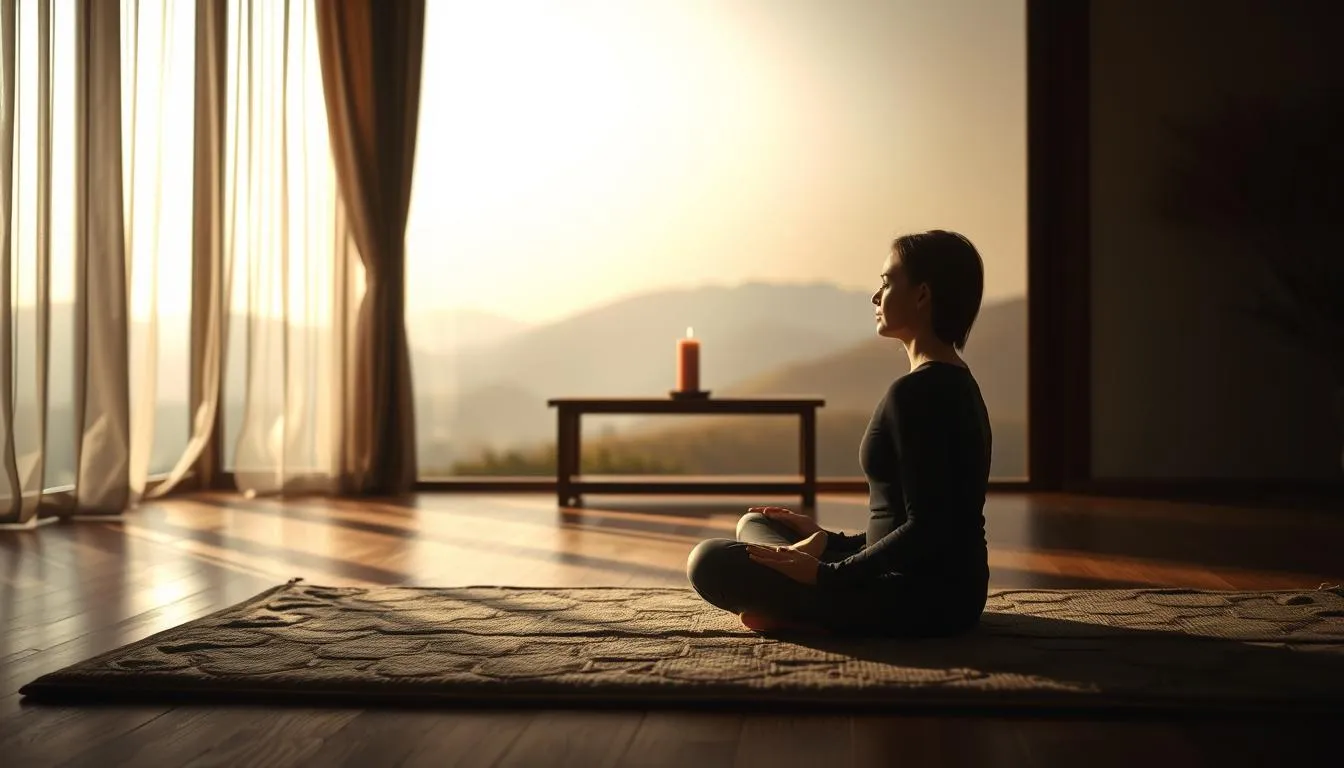
Creating a calm and distraction-free area is key for mindfulness. A well-designed space helps you feel more relaxed. This makes it simpler to get into a meditative state.
Essential Elements for a Calming Environment
To make a peaceful space, add elements that help you relax. Soft lighting and comfortable seating are must-haves. You might also want to include calming scents like lavender or chamomile.
Jon Kabat-Zinn, a mindfulness expert, said, “You can’t stop the waves, but you can learn to surf.” A peaceful space helps you deal with life’s ups and downs better.
Minimising Distractions
To stay focused, reduce distractions. Use noise-cancelling headphones or soothing music to block out noise. Also, keep your space clutter-free and tidy.
Designing your mindfulness space carefully helps create a place for relaxation and peace. As you build this atmosphere, you’ll find it easier to keep up with your mindfulness practice.
Mindful Breathing Techniques
Mindful breathing techniques are great for reducing stress and boosting relaxation. They help you stay in the present moment. This lets you forget distractions and find calm.
Basic Breath Awareness
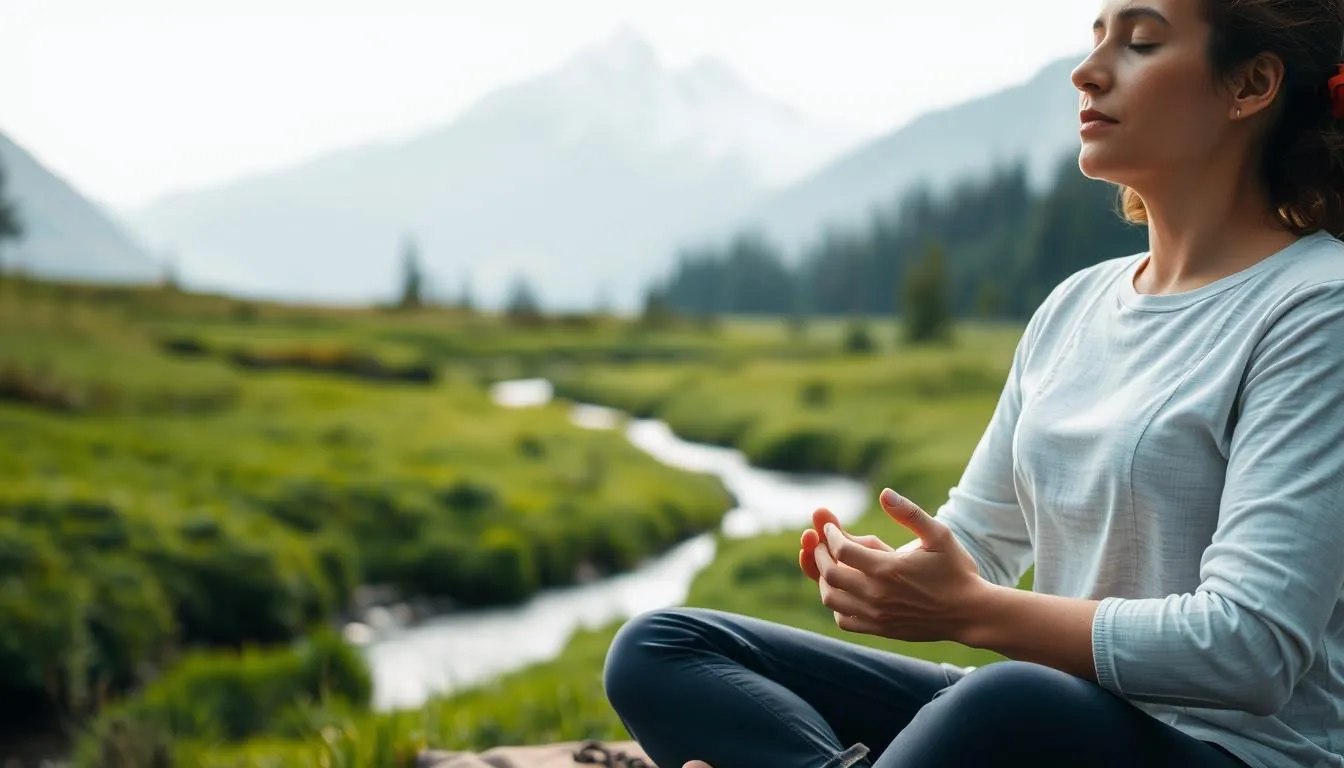
Basic breath awareness is about noticing your breath. Sit comfortably, close your eyes, and focus on your breath. If your mind drifts, gently bring it back to your breath.
Counted Breathing Exercises
Counted breathing exercises add a fun twist to breath awareness. Inhale for four counts, hold for four, and exhale for four. Keep going, increasing the count as you get better.
Breath Visualisation Practices
Breath visualisation combines breathing with mental pictures. Imagine fresh air filling your lungs as you inhale. Picture stress leaving as you exhale. You can also think of a colour or a peaceful place to relax further.
Adding these mindful breathing techniques to your day can lower stress and boost your mood. Regular practice also helps you stay focused and present.
- Mindful breathing reduces stress and anxiety.
- It improves focus and concentration.
- Regular practice enhances overall well-being.
Body Scan Meditation for Beginners
Starting your mindfulness journey is easy with body scan meditation. This method involves focusing on each part of your body, starting from your toes to your head. It helps you feel more aware and relaxed.
Body scan meditation is great for reducing stress and improving your well-being. It helps you let go of physical tension and calm your mind. Find a quiet, comfy spot to lie down or sit without distractions.
Step-by-Step Guide to Body Scanning
To start, close your eyes and breathe deeply. Begin with your toes, noticing any feelings or thoughts. Move up your body, stopping at each big muscle group to see if you feel any tension.
- Begin at your toes, noticing sensations.
- Gradually move up through your body.
- Pause at major muscle groups.
- Observe areas of tension or discomfort.
As you scan, let go of any tension you find. If your mind strays, gently bring it back to your body. This not only relaxes you but also improves your mindfulness.
Common Challenges and Solutions
Dealing with a restless mind or physical discomfort is common. Focus on the sensations in your body, not the discomfort. If you find yourself falling asleep, try practicing when you’re more awake or sit instead of lying down.
Be patient and consistent. Regular practice will make you better at body scan meditation. Over time, you’ll relax and focus more, improving your mindfulness.
Mindful Walking: Connecting with the Present Moment
Mindful walking is a powerful practice that brings us into the present moment. It combines physical activity with the calm of meditation. By focusing on our steps, we can make walking extraordinary.
When we walk, our minds often wander. Mindful walking helps us stay present. It reduces stress, improves mood, and boosts well-being.
How to Practice Walking Meditation
To start, find a quiet, safe place to walk. Stand still, take a few deep breaths, and then walk slowly. Focus on the sensation of your feet touching the ground and the movement of your body.
- Notice the sensation of each step.
- Keep your eyes lightly focused ahead.
- If your mind wanders, gently bring your attention back to your walking.
As you walk, be aware of your body and surroundings. This can be done anywhere, from parks to city streets.
Incorporating Mindful Walking into Daily Life
Adding mindful walking to your daily routine is simple and rewarding. Start by dedicating a few minutes each day. Here are some tips to help you:
- Take a mindful walk during your lunch break.
- Walk to work or school mindfully.
- Use walking as a break from screen time.
As mindful walking becomes a habit, you’ll stay present and focused. Regular practice brings many benefits, including reduced stress and improved mental clarity.
Mindful Eating Practices
Embracing mindful eating can change how you see food. It’s about focusing fully on eating and drinking. This approach makes eating healthier and more enjoyable.
Transforming Your Relationship with Food
Mindful eating helps you understand food better. It teaches you to notice when you’re hungry or full. It also makes you appreciate the taste and look of your food.
It encourages a positive view of eating. This can lead to eating less and enjoying meals more.
Being mindful helps you make better food choices. This leads to a healthier lifestyle.
A Simple Mindful Eating Exercise
One great way to practice mindful eating is the raisin exercise.
The Raisin Exercise
This exercise is simple. Eat a raisin slowly, noticing its look, feel, smell, and taste. It helps you appreciate your food more.
Mindful Meal Planning
Mindful meal planning means planning meals with care. Think about what you need, what you like, and how you’ll enjoy it. It’s about building a positive food relationship.
| Benefits of Mindful Eating | Traditional Eating | Mindful Eating |
|---|---|---|
| Awareness of Hunger Cues | Often ignored | Paying attention |
| Appreciation of Food | Limited | High |
| Eating Speed | Often fast | Slow and deliberate |

Mindful eating makes meals more enjoyable. It changes how you view food for the better. This leads to a healthier, happier you.
👉 Experience deeper, more restful sleep with a soft, pressure-soothing 🛒 weighted blanket—ideal for reducing anxiety and improving relaxation.
Mindfulness for Better Sleep
Mindfulness can make your sleep better. Many people have trouble sleeping, and mindfulness is a natural way to help. It can make your sleep and overall health better.
Pre-Sleep Mindfulness Routines
Starting a mindfulness routine before bed tells your body it’s time to sleep. You can do things like:
- Meditation: Try a guided or unguided meditation to calm your mind.
- Deep Breathing: Focus on slow, deep breaths to relax your body.
- Gentle Stretching: Do gentle stretches to release physical tension.
Being consistent is important. Try to do these routines at the same time every night to help you sleep better.
Addressing Insomnia with Mindfulness
Insomnia is a common sleep problem that can really affect your life. Mindfulness can help by reducing stress and anxiety.
Some good mindfulness techniques for insomnia include:
- Body Scan Meditation: Lie down and focus on different parts of your body, releasing tension as you go.
- Mindful Journaling: Write down your thoughts and feelings before bed to clear your mind.
- Progressive Muscle Relaxation: Tense and then relax different muscle groups to release physical tension.
Adding these mindfulness practices to your daily routine can improve your sleep. It can also help reduce insomnia symptoms.
Incorporating Mindfulness into Daily Activities
Mindfulness can make our daily lives more present and aware. It’s not just for meditation. We can bring it into every part of our day, making our experiences better and our wellbeing improve.
Mindful Communication
Mindful communication means being fully there in our talks with others. It’s about being attentive, listening well, and thinking before we speak.
Active Listening Techniques
Active listening is key in mindful talking. It means giving the speaker all our attention, ignoring distractions, and really getting the message. This way, we understand others better and our relationships get stronger.
Responding Rather Than Reacting
Choosing to respond thoughtfully is another important part of mindful talking. It means pausing to think before we react. This helps avoid misunderstandings and makes our interactions smoother.
Mindfulness at Work
Mindfulness at work can boost productivity and cut down stress. Simple steps like taking short breath breaks, focusing fully on tasks, and staying positive can make a big difference. Being mindful helps us concentrate better, think more creatively, and enjoy our jobs more.
| Mindfulness Practice | Benefits at Work |
|---|---|
| Short breaks for breathing | Reduced stress, improved focus |
| Being fully engaged in tasks | Enhanced productivity, better quality work |
| Maintaining a positive attitude | Improved job satisfaction, better teamwork |
Mindful Technology Use
In our digital world, technology is a big part of our lives. Mindful tech use means being aware of how much time we spend on screens, setting limits, and using it with purpose. This helps us avoid digital distractions, boosts our mental health, and helps us connect more deeply with others.
Adding mindfulness to our daily routines can greatly improve our lives. By being more mindful in how we talk, work, and use technology, we can live more fully and enjoyably.
Overcoming Common Mindfulness Challenges
Starting your mindfulness journey can be tough. You’ll face many challenges. Knowing these can help you deal with them better.

Mindfulness needs patience, dedication, and understanding. You’ll meet many obstacles. But, with the right strategies, you can beat them.
Dealing with a Wandering Mind
One big challenge is a wandering mind. It’s normal for thoughts to stray. But, there are ways to bring your focus back.
Try acknowledging your thoughts and gently refocus on your breath. A mental note can also help. Say “thinking” when your mind wanders, then return to your breath. This builds awareness and keeps your mind from wandering.
Finding Time for Practice
Finding time for mindfulness can be hard. Busy lives make it tough. But, even a few minutes a day can help.
Try to fit mindfulness into your daily routine. It could be during your morning commute or before bed. Start small with short sessions. Gradually increase time as you get more comfortable.
Managing Expectations
Managing your expectations is key in mindfulness. It’s a journey, not a goal. Don’t expect a completely blank mind right away.
Focus on the process, not the outcome. Be patient with yourself. Celebrate small wins. Remember, mindfulness benefits grow over time with consistent effort.
Mindfulness Apps and Digital Resources
In today’s digital world, it’s easier than ever to add mindfulness to our daily lives. Smartphones and the internet have led to many digital tools for mindfulness. These tools help us practice mindfulness every day.
There are apps that guide us through meditation and mindfulness exercises. Online courses and communities offer support and structure. These tools make mindfulness more accessible to everyone.
Top-Rated Mindfulness Applications
Many mindfulness apps are popular for their effectiveness and easy-to-use design. Headspace and Calm are well-known for their guided meditations and exercises. Insight Timer offers a lot of free content, and Buddhify is great for those with busy lives.
These apps have features like personalized plans and progress tracking. They also send reminders to help you stay consistent. Many offer free trials or basic versions, making it easy to start.
Online Courses and Communities
Online courses and communities are also great for deepening your mindfulness practice. Sites like Udemy, Coursera, and edX have courses on mindfulness and meditation. These courses cover everything from basics to advanced topics.
Mindfulness communities online offer a place to share experiences and get support. Being part of these communities can motivate you and connect you with others who practice mindfulness.
Mindfulness as a Path to Self-Care & Personal Growth
Mindfulness is a powerful way to care for yourself and grow personally. It helps you deal with life’s ups and downs better. By being mindful, you learn to understand your thoughts, feelings, and body better. This leads to a kinder and more accepting view of yourself.
Building Self-Compassion Through Mindfulness
Mindfulness is key to being kind to yourself. Through meditation and deep breathing, you can watch your experiences without judging. This makes you more understanding and compassionate towards yourself.
Regular mindfulness helps you know yourself better. You can spot and change negative thoughts and actions. This way, you can face life’s challenges with grace and calm.
Mindfulness for Long-Term Wellbeing
Mindfulness is more than a quick fix for stress. It’s a long-term investment in your health. By making mindfulness a part of your daily life, you can see lasting improvements in your mental and physical health.
For lasting wellbeing, make mindfulness a regular part of your day. Set aside time each day for mindfulness exercises. Also, bring mindfulness into everyday activities like eating and walking. This way, you can enjoy its many benefits and feel better overall.
Conclusion
Throughout this guide, we’ve seen how mindfulness is a strong tool for self-care and growth. It helps people feel less stressed and anxious. It also improves how we handle our emotions and our overall health.
To keep going on this mindfulness path, it’s key to stick with it every day. Trying out different methods like breathing exercises, body scans, and walking mindfully keeps things interesting. Using apps and online tools can also offer great help and advice.
Seeing mindfulness as a way to care for yourself leads to a deeper understanding of yourself and the world. This can make life more meaningful, filled with clarity, kindness, and purpose. Remember, the journey of mindfulness is as valuable as the end goal.
👉 Break bad habits and boost focus with the 🛒 kSafe Time Locking Container—a smart way to lock away distractions like snacks, phones, cigarettes, drinking, or gaming addiction.
📌 Related Read: How Stress Impacts Your Mental Health
Frequently Asked Questions (FAQ)
What is mindfulness and how can it benefit my mental health?
Mindfulness is about being fully present in the moment. It involves noticing your thoughts, feelings, and body sensations without judging them. It can help lower stress, anxiety, and depression. It also improves how you handle your emotions and boosts your overall wellbeing.
How do I start a mindfulness practice?
Begin by setting aside a few minutes each day. Focus on your breath, body, or emotions. You can use guided meditations, apps, or simply pay attention to everyday activities like eating or walking.
What are some common challenges people face when practicing mindfulness, and how can they be overcome?
Challenges include a wandering mind, finding time, and managing expectations. Overcome these by being patient, consistent, and kind to yourself. Use mindfulness exercises and meditation to stay focused.
Can mindfulness be practiced in daily activities like work or commuting?
Yes, you can practice mindfulness in daily tasks like work or commuting. By focusing on your thoughts and feelings, you can turn these tasks into mindfulness exercises.
Are there any mindfulness apps or digital resources you recommend?
Yes, top mindfulness apps include Headspace, Calm, and Insight Timer. They offer guided meditations, exercises, and tracking to help you practice regularly.
How can mindfulness help with stress reduction and sleep improvement?
Mindfulness teaches you to stay in the present, reducing worries about the past or future. It also promotes relaxation, helping you sleep better by making it easier to fall and stay asleep.
Can mindfulness be practiced with others, or is it a solo activity?
Mindfulness can be done alone or with others. Joining a group, attending classes, or practicing with friends can keep you motivated and inspired.
How long does it take to see the benefits of mindfulness practice?
You can start noticing mindfulness benefits in a few days or weeks. But, regular practice over time leads to deeper and lasting changes in your mental and emotional health.