
Managing stress is key for our health. Too much stress can cause anxiety and depression. It’s important to find ways to handle it. There are natural ways to relieve chronic stress. Mindfulness, exercise, and relaxation techniques are helpful. They can make a big difference.

Adding these natural methods to our daily lives can help us deal with stress better. It can also make our lives better overall.
👉 Understand your relationship patterns with 🛒 Attached—a science-backed guide to adult attachment styles and building lasting love.
Table of Contents
- Understanding Chronic Stress and Its Impact on Health
- The Connection Between Stress and Mental Health
- Mindfulness Meditation for Stress Reduction
- The Power of Deep Breathing Techniques
- Progressive Muscle Relaxation as a Stress Management Tool
- Physical Exercise: A Natural Stress Reliever
- Nutrition and Stress: Foods That Help or Harm
- The Healing Power of Nature for Stress Relief
- Quality Sleep: The Foundation of Stress Resilience
- Social Connections and Stress Reduction
- Anxiety, Stress & Coping Strategies: A Holistic Approach
- Creative Expression as Stress Therapy
- Digital Detox and Mindful Technology Use
- Complementary Therapies for Chronic Stress
- When to Seek Professional Help for Chronic Stress
- Conclusion: Building Resilience for Long-Term Stress Management
- Frequently Asked Questions (FAQ)
- What are some natural ways to relieve chronic stress?
- How can mindfulness meditation help with stress reduction?
- What is progressive muscle relaxation, and how can it help with stress?
- Can physical exercise really help reduce stress?
- How does nutrition impact stress levels?
- What role does sleep play in stress management?
- Can creative activities really help with stress relief?
- How can I create a personalised stress management plan?
- When should I seek professional help for chronic stress?
Key Takeaways
- Effective stress management is vital for overall health.
- Natural methods can provide significant anxiety relief.
- Practising mindfulness and relaxation techniques can help reduce stress.
- Regular exercise is a valuable coping mechanism.
- Incorporating these methods into daily life can improve overall well-being.
Understanding Chronic Stress and Its Impact on Health
Chronic stress can harm your health and wellbeing if not managed. It’s a long-term feeling of tension. This can come from work, money troubles, or personal problems.
The Physiological Response to Stress
When we feel stressed, our body reacts. It releases hormones to help us deal with the stress.
The Role of Cortisol and Adrenaline
Cortisol and adrenaline are key hormones in our stress response. Cortisol helps manage stress by controlling blood sugar and metabolism. Adrenaline gets us ready to ‘fight or flight’ by speeding up our heart and blood pressure.
How the Nervous System Responds to Chronic Stress
The nervous system stays alert for too long when stressed. This can cause fatigue and make it hard to handle stress.
Long-term Effects of Chronic Stress
Stress over time can harm both your body and mind.
Physical Health Consequences
Chronic stress can cause high blood pressure, heart disease, and a weak immune system. Here are some physical health problems it can lead to:
| Health Issue | Description |
|---|---|
| Hypertension | High blood pressure that can lead to cardiovascular disease. |
| Cardiovascular Disease | Diseases affecting the heart and blood vessels. |
| Weakened Immune System | Reduced ability to fight off infections and diseases. |
Cognitive and Emotional Impact
Chronic stress also affects your mind, leading to anxiety, depression, and brain problems. It’s important to manage stress to avoid these issues.
The Connection Between Stress and Mental Health
Stress and mental health are closely linked, with stress often making conditions like anxiety and depression worse. Long-term stress can harm an individual’s mental wellbeing, causing various mental health problems if not managed.
How Stress Contributes to Anxiety and Depression
Stress can lead to anxiety and depression by changing the brain’s chemistry and body’s response. When stressed, our body’s “fight or flight” response kicks in, releasing cortisol. High cortisol levels over time can change our mood, causing anxiety or depression.
Recognising the Warning Signs of Stress-Related Mental Health Issues
It’s important to spot the early signs of stress-related mental health issues. These signs can show up in physical symptoms and changes in behaviour.
Physical Symptoms to Monitor
Watch out for persistent headaches, fatigue, and gastrointestinal issues. These signs can mean stress is affecting your mental health.
Behavioural and Emotional Changes
Look out for changes in behaviour or mood, like increased irritability, withdrawal from social activities, or persistent feelings of sadness. These can signal stress is impacting your mental health.
Mindfulness Meditation for Stress Reduction
Mindfulness meditation is a powerful tool for reducing stress in today’s fast-paced world. It helps individuals focus on the present moment. This way, they can manage stress more effectively.
Getting Started with Mindfulness Practices
Starting mindfulness meditation can seem daunting for beginners. But, with simple techniques and consistent effort, anyone can start enjoying its benefits. Begin with short sessions, even just a few minutes a day, to establish a routine.
Five-Minute Mindfulness Exercises for Beginners
Simple exercises can help beginners get started. For example, focus on your breath, noticing its sensation as it enters and leaves the nostrils. Pay attention to the present without judgment.
- Focus on your breath
- Notice bodily sensations
- Practice mindful breathing
Guided vs. Unguided Meditation Options
Both guided and unguided meditations have their benefits. Guided meditations can be particularly helpful for beginners, offering a structured approach. As you become more comfortable, you can transition to unguided practices, allowing for greater personalization.
Scientific Evidence Supporting Meditation for Stress Relief
The effectiveness of mindfulness meditation in reducing stress is backed by a growing body of research. Studies have shown that regular mindfulness practice can lead to reduced cortisol levels and improved emotional regulation.
UK-Based Research on Mindfulness
Research conducted in the UK has highlighted the benefits of mindfulness for mental health. Studies have demonstrated its positive impact on stress, anxiety, and overall well-being.
NHS Recommendations for Mindfulness Practice
The NHS has recognised the benefits of mindfulness, recommending it as a treatment for stress, anxiety, and depression. This endorsement underscores the value of incorporating mindfulness into one’s stress management strategy.
The Power of Deep Breathing Techniques
Deep breathing is a natural way to calm your mind and body. It helps control your nervous system, heart rate, and stress. This section will look at different deep breathing methods. These can be added to your daily routine to help you relax and reduce stress.
Diaphragmatic Breathing Exercise Guide
Diaphragmatic breathing, or belly breathing, uses the diaphragm to fill the lungs fully. It’s key for stress relief.
Step-by-Step Instructions
To do diaphragmatic breathing, place one hand on your belly and the other on your chest. Breathe in slowly through your nose, letting your belly rise. Keep your chest still. Breathe out through your mouth, letting your belly fall. Do this a few times, feeling your diaphragm expand.
Common Mistakes to Avoid
A common error is breathing shallowly into the chest instead of deeply into the diaphragm. Make sure your belly goes up with each breath, showing your diaphragm is working.
Box Breathing and 4-7-8 Method
Box breathing and the 4-7-8 method are also effective. Box breathing is inhaling, holding, exhaling, and holding again, all for equal counts, usually four. The 4-7-8 method is inhaling for four seconds, holding for seven, and exhaling for eight, helping you relax.
When and Where to Practice These Techniques
These methods can be done anywhere, at any time. They’re perfect for a busy life. Try them during work breaks, while waiting, or before bed.
Combining Breathing with Visualisation
To relax even more, add deep breathing to visualisation techniques. Imagine a calm scene or a positive outcome while breathing. This boosts the stress-relieving effect.
Progressive Muscle Relaxation as a Stress Management Tool
Progressive Muscle Relaxation is a simple yet effective method for reducing stress and anxiety. This technique involves systematically tensing and relaxing different muscle groups. It helps release physical tension and promotes relaxation.
Step-by-Step Guide to Progressive Muscle Relaxation
To practice PMR, start by finding a comfortable position, either sitting or lying down. Begin with your toes, tensing them for a few seconds before releasing. Gradually work your way up through the body, tensing and relaxing each muscle group in turn.
- Start with your toes
- Move up through the feet, calves, thighs, hips, back, shoulders, arms, hands, neck, and head
- Take your time, spending a few seconds tensing and relaxing each area
Incorporating PMR into Your Daily Routine
PMR can be adapted to fit various situations and schedules. Here are a few ways to incorporate it into your daily routine:
Bedtime Relaxation Sequence
Practice PMR before bed to help prepare your body for sleep. This can improve the quality of your rest and help you wake up feeling refreshed.
Quick Office-Based Tension Release
Take short breaks at work to practice a condensed version of PMR, focusing on areas like the shoulders, neck, and hands.
| Benefits of PMR | How to Incorporate PMR |
|---|---|
| Reduces physical tension | Practice before bed for better sleep |
| Promotes relaxation and reduces stress | Take short breaks at work to relax |
“Relaxation is not a passive process; it requires an active decision to let go of tension and stress.”
— Dr. Herbert Benson
By incorporating Progressive Muscle Relaxation into your daily routine, you can develop a powerful tool for managing stress and enhancing overall well-being.
Physical Exercise: A Natural Stress Reliever
Exercise is a natural way to reduce stress. It benefits both your body and mind. Regular physical activity can lower stress levels, improve your mood, and boost your overall well-being.
How Exercise Reduces Stress Hormones
Physical exercise lowers stress hormones like cortisol. It also boosts endorphins, which make you feel better. This dual benefit helps fight chronic stress.
Low-Impact Exercises for Stress Relief
Low-impact exercises are great for stress relief. They’re easy on your body but still offer the benefits of exercise. Some good options include:
- Gentle yoga routines
- Leisurely walking
- Swimming and water-based activities
Walking in UK Green Spaces and Parks
Walking in green spaces and parks is especially good for stress relief. The UK has many beautiful parks, like Hyde Park in London and The Meadows in Edinburgh. These places offer a peaceful walk in nature.
Swimming and Water-Based Activities
Swimming is another low-impact exercise that reduces stress. The calming effect of water, combined with swimming, is very soothing. Many UK swimming pools and leisure centres offer swimming sessions and water activities.
Creating a Sustainable Exercise Routine
To enjoy the stress-relieving benefits of exercise, create a sustainable routine. Find activities you like and can fit into your daily or weekly schedule.
Overcoming Common Exercise Barriers
Common barriers to exercise include lack of time, motivation, and access to facilities. To overcome these, try activities you can do at home, schedule exercise in your planner, or find a workout buddy.
Finding Activities You Genuinely Enjoy
Enjoyment is key to sticking with an exercise routine. Whether it’s dancing, cycling, or team sports, choose something that makes you happy. This will help you keep up with it over time.
Nutrition and Stress: Foods That Help or Harm
Nutrition is key in managing stress. Certain foods and nutrients can affect how we handle stress. Eating well can help reduce stress, while a bad diet can make it worse.
Stress-Reducing Foods and Nutrients
Some foods and nutrients help reduce stress. These include foods high in magnesium and omega-3 fatty acids.
Magnesium-Rich Foods for Nervous System Support
Magnesium is vital for handling stress. Dark leafy greens, nuts, and seeds are good sources. Eating these can support your nervous system and lower stress.
Omega-3 Fatty Acids and Brain Health
Omega-3s, especially EPA and DHA, are good for the brain. They help reduce stress and anxiety symptoms. Fatty fish, flaxseeds, and walnuts are great sources.
Foods and Substances That Exacerbate Stress
Some foods can make stress worse. Caffeine, alcohol, and hidden sugars in processed foods can harm stress levels.
The Impact of Caffeine and Alcohol
Caffeine can make you feel alert but also increase stress and anxiety. Alcohol may relax you but can disrupt sleep and raise stress levels over time.
Hidden Sugar and Processed Foods
Too much sugar and processed foods can cause energy crashes and mood swings. It’s important to choose what we eat carefully to stay well.
| Food Category | Examples | Effect on Stress |
|---|---|---|
| Magnesium-rich foods | Dark leafy greens, nuts, seeds | Reduces stress |
| Omega-3 rich foods | Fatty fish, flaxseeds, walnuts | Supports brain health |
| Caffeine and alcohol | Coffee, wine, beer | Can increase stress |
| Processed foods | Packaged snacks, sugary drinks | Can worsen stress |
The Healing Power of Nature for Stress Relief
Modern life is full of stress, but nature can help. Being in nature is good for both body and mind. It has a big positive effect.
Forest Bathing and Green Therapy
Forest bathing is a Japanese way to improve health by being in the forest. It’s now popular worldwide for reducing stress. Green therapy is about doing outdoor activities in nature to boost mental health.
UK Woodland Trusts and Nature Reserves
The UK has many woodlands and nature reserves for forest bathing and green therapy. Places like the Woodland Trust manage big areas of woodland. They offer spaces for people to connect with nature.
Seasonal Benefits of Nature Exposure
Nature’s benefits change with the seasons. Spring’s blossoms can lift your mood, and autumn’s leaves can calm you. Knowing these benefits can make nature even more helpful for stress relief.
Creating Nature Connections in Urban Environments
In cities, it’s possible to find nature. Adding natural elements to daily life can lower stress.
Indoor Plants and Natural Elements
Indoor plants are not just pretty; they also clean the air and reduce stress. Using wood or stone in your home decor can make it feel calmer.
Urban Parks and Community Gardens
Urban parks and gardens are green spaces in cities. They let people connect with nature and meet others. These places offer a peaceful break from city life.
| Nature Activity | Stress Relief Benefit | Accessibility |
|---|---|---|
| Forest Bathing | Reduces cortisol levels, improves mood | Woodland areas, nature reserves |
| Indoor Plants | Improves air quality, promotes calm | Home, office spaces |
| Urban Parks | Provides green space, community interaction | Urban areas, widely accessible |
👉 Experience deeper, more restful sleep with a soft, pressure-soothing 🛒 weighted blanket—ideal for reducing anxiety and improving relaxation.
Quality Sleep: The Foundation of Stress Resilience
Quality sleep is key to handling stress well. It helps our body and mind stay healthy. Good sleep improves our mental and physical health.
How Stress Affects Sleep Quality
Stress can make it hard to fall or stay asleep. This creates a cycle where lack of sleep increases stress. Chronic stress can mess with our natural sleep patterns, making it hard to rest well.
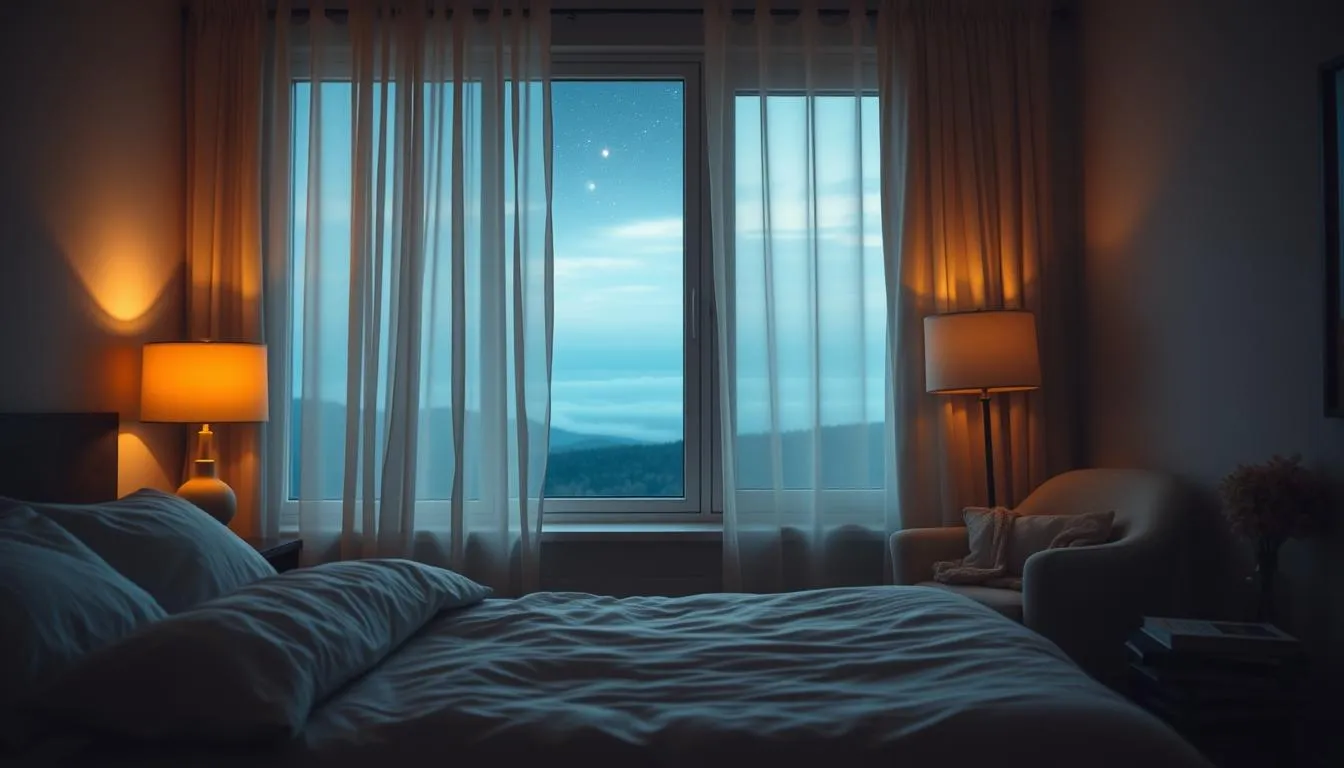
Creating a Sleep-Promoting Environment
It’s important to make our bedroom a sleep haven. This helps improve our sleep quality.
Bedroom Setup for Optimal Rest
A tidy, quiet bedroom with a comfy bed is a must. Think about using blackout curtains and a white noise machine if needed.
Managing Light and Temperature
Keeping the bedroom cool and dark helps sleep a lot. A cooler room, around 16°C, is best.
| Sleep Factor | Ideal Condition |
|---|---|
| Temperature | Cooler (around 16°C) |
| Light | Dark or minimal light |
| Noise | Quiet or white noise |
Natural Sleep Aids and Routines
Using natural sleep aids and routines can also help sleep quality.
Herbal Teas and Supplements
Herbal teas like chamomile and supplements like melatonin can help relax and sleep better.
Digital Curfews and Wind-Down Rituals
Setting a digital curfew and doing wind-down activities like reading or meditation can tell our body it’s time to sleep.
Social Connections and Stress Reduction
Having a strong support system can really help with chronic stress. Social connections are key to keeping our mental health in check. When we feel supported, we can face life’s challenges more easily.
The Importance of Support Systems
A good support system offers emotional, informational, and practical help when we’re stressed. This can include family, friends, workmates, or support groups. Having different types of support is especially helpful.
Building a Diverse Support Network
To grow your support network, think about joining groups that interest you. This could be a sports team, book club, or volunteer group. Expanding your social circle this way can bring new friends and support.
UK Community Resources and Support Groups
In the UK, many community resources and support groups are available. Places like Mind and Rethink Mental Illness offer help and group meetings for stress and mental health issues.
Healthy Communication Strategies During Stressful Periods
Good communication is vital for keeping relationships strong when things get tough. It’s about being clear about what you need and really listening to others.
Expressing Needs Without Conflict
To share your needs, use “I” statements instead of “you” statements. This avoids blame. Say “I’m feeling overwhelmed and need help with chores” instead of “You never help with chores.”
Active Listening Techniques
Active listening means focusing fully on what the other person says. It’s about understanding their view and responding thoughtfully. This can prevent misunderstandings and make your support network stronger.
Anxiety, Stress & Coping Strategies: A Holistic Approach
To beat chronic stress and anxiety, we need a plan that covers all bases. A holistic approach looks at physical, emotional, and mental health together. This way, we can tackle stress from all angles.
Integrating Multiple Techniques for Maximum Benefit
Using different stress management methods can make them work better. For example, try mindfulness meditation with physical exercise. Also, use deep breathing exercises when you’re feeling stressed.
Creating a Personalised Stress Management Toolkit
Having a toolkit that’s just for you lets you pick what works best. You might choose progressive muscle relaxation, journaling, or time management techniques.
Adapting Strategies for Different Stress Triggers
Each stress trigger needs its own solution. For work stress, try delegation and prioritisation. For personal stress, reach out to social support networks.
Personalising Your Stress Management Plan
It’s all about making your plan fit you. This means picking the right techniques and checking if they work.
Stress Journals and Tracking Progress
Keeping a stress journal helps you see patterns in stress. It also shows if your coping strategies are working.
Adjusting Techniques Based on Effectiveness
Check your stress management plan often. This lets you change it up to keep using the best strategies.
Creative Expression as Stress Therapy
Creative expression is a special way to handle stress and boost well-being. It lets people turn their feelings into something positive, which lowers stress.
Art, Music and Writing for Emotional Release
Art, music, and writing are great for letting out emotions. They help people share their feelings in a good way.
Expressive Writing Techniques
Expressive writing is about writing down thoughts and feelings freely. It helps people understand their emotions better.
Therapeutic Benefits of Music
Music can calm the mind and body. It’s known to reduce stress and anxiety by making us relax.

No Artistic Skills Required: Accessible Creative Outlets
Using creative expression to ease stress doesn’t need any special talent. There are many easy ways to get creative.
Adult Colouring and Doodling
Adult colouring books and doodling are popular for relaxation. They help calm the mind and lower stress.
UK-Based Creative Workshops and Classes
In the UK, there are many workshops and classes for creativity. They offer a place to find new ways to be creative.
Digital Detox and Mindful Technology Use
The digital world brings many benefits but also stress and anxiety. We use technology for work, socialising, and fun. It’s key to know how too much tech affects us and use it wisely.
How Digital Overload Contributes to Stress
Digital overload happens when we get too much info from devices. This can make us feel overwhelmed, anxious, and stressed.
Social Media and News Consumption
Too much social media and news can be very stressful. Social media shows perfect lives, making us feel not good enough. The constant news cycle keeps us on edge all the time.
Work-Related Digital Stress
Being always on call through emails and apps can mix work and life too much. This can lead to burnout and more stress. It’s important to set clear work and personal life boundaries.
Creating Healthy Technology Boundaries
To fight digital overload, we need to set healthy tech limits. This means being careful with how we use technology and finding a balance with real life.
Practical Screen-Time Limits
Setting limits on screen time can help. Having tech-free areas and times, like during meals or before bed, can really help reduce stress.
Digital Wellbeing Tools and Apps
Using digital wellbeing tools and apps can also help manage tech use. Many devices and apps have features to track and limit screen time, helping us stay healthy.
Complementary Therapies for Chronic Stress
Complementary therapies like acupuncture and aromatherapy are known for their stress relief benefits. They can be used with traditional stress management methods for a complete approach to well-being.
Acupuncture and Massage Therapy
Acupuncture uses fine needles in specific body points to promote healing and balance. Massage therapy involves manual soft tissue manipulation to relax and reduce muscle tension. Both can lower stress and enhance well-being.
Finding Qualified Practitioners in the UK
To find a qualified practitioner in the UK, look for those registered with bodies like the British Acupuncture Council or the Federation of Holistic Therapists. These groups ensure practitioners meet high standards.
What to Expect from Treatment
In acupuncture, fine needles are inserted into body points. For massage, you lie on a table while your soft tissues are manipulated. Both are relaxing and can reduce stress.
Aromatherapy and Essential Oils
Aromatherapy uses plant-derived essential oils for relaxation and well-being. Oils like lavender and chamomile are calming and can be inhaled, applied topically, or added to baths.
Safe Usage Guidelines
Always dilute essential oils in a carrier oil before skin application and do a patch test. Pregnant women and those with certain health issues should consult a healthcare provider before using essential oils.
Most Effective Oils for Stress Relief
Lavender, chamomile, and bergamot are effective for stress relief. They can be used alone or blended to promote relaxation and reduce anxiety.
Herbal Supplements with Stress-Relieving Properties
Herbal supplements like ashwagandha and rhodiola rosea are used to manage stress. These adaptogenic herbs help the body cope with stress and improve overall well-being.
Adaptogens and Their Benefits
Adaptogens help the body adapt to stress by influencing the stress response system. Adaptogenic herbs like ashwagandha and rhodiola rosea are available as supplements.
Consulting Healthcare Providers Before Use
Always consult a healthcare provider before starting herbal supplements, especially if you’re on medication or have health conditions. They can advise on safe use and potential interactions.
When to Seek Professional Help for Chronic Stress
Self-help strategies can help a lot, but sometimes you need professional help for chronic stress. Knowing when to ask for help is key to managing stress well.
Signs That Self-Help Strategies Aren’t Enough
Keep an eye on how well self-help works for you. Look out for signs that you might need more help. These signs can show up in your body and mind.
Physical Warning Signs
Watch for signs like constant tiredness, unexplained aches and pains, and changes in how much you eat or sleep. If you’re feeling these and stressed, see a doctor.
Psychological Red Flags
Feeling overwhelmed, anxious, or depressed can be a sign you need help. If stress is messing with your mind and daily life, talk to a mental health expert.
Types of Professional Support Available in the UK
The UK has many ways to help with chronic stress. You can get help from the NHS or private therapy.
NHS Mental Health Services
The NHS offers mental health services like counselling and CBT. These services are often free or cheap, making them easy to access.
Private Therapy Options and Costs
Private healthcare offers many therapists and counsellors. Prices vary based on the therapist’s skills and where they are. Look around to find a good match for your budget and needs.
| Service | Cost | Availability |
|---|---|---|
| NHS Mental Health Services | Free or low-cost | Widely available |
| Private Therapy | Variable (£50-£150 per session) | Dependent on therapist |
Seeking professional help is a sign of strength, not weakness. If chronic stress is getting you down, don’t be afraid to seek help.

Conclusion: Building Resilience for Long-Term Stress Management
Managing stress well is key to keeping well for a long time. By using the tips from this article, people can get better at dealing with stress. Mindfulness, deep breathing, and muscle relaxation can lower stress. Exercise and a healthy diet also help keep you fit.
Being in nature and having good friends are also important. Small changes, like a short walk or deep breathing, can help a lot. Building resilience helps manage stress over time, leading to a healthier life.
Using these stress management tips and focusing on resilience can improve wellbeing. It’s possible to live a better life by managing stress well. A good plan for managing stress can lead to long-term wellbeing and a better quality of life.
👉 Break bad habits and boost focus with the 🛒 kSafe Time Locking Container—a smart way to lock away distractions like snacks, phones, cigarettes, drinking, or gaming addiction.
📌 Related Read: How to Improve Communication in Your Relationship
Frequently Asked Questions (FAQ)
What are some natural ways to relieve chronic stress?
Natural ways to ease chronic stress include mindfulness meditation and deep breathing. Also, try progressive muscle relaxation, exercise, and spending time outdoors.
How can mindfulness meditation help with stress reduction?
Mindfulness meditation teaches you to stay in the present. It helps you let go of past or future worries. Regular practice lowers cortisol and boosts well-being.
What is progressive muscle relaxation, and how can it help with stress?
This technique involves tensing and relaxing muscles. It helps release tension. By relaxing muscles, you can lower stress and feel more relaxed.
Can physical exercise really help reduce stress?
Yes, exercise is a natural stress fighter. It cuts down stress hormones and boosts mood with endorphins. Try walking, swimming, or cycling.
How does nutrition impact stress levels?
Eating well, with whole foods and omega-3s, supports mental health. Avoid caffeine, alcohol, and processed foods to reduce stress.
What role does sleep play in stress management?
Good sleep is key to managing stress. Bad sleep makes stress worse. A regular sleep schedule and a good sleep environment help regulate stress hormones.
Can creative activities really help with stress relief?
Yes, creative pursuits like art, music, or writing can release emotions and reduce stress. They offer a healthy break from daily worries.
How can I create a personalised stress management plan?
Start by finding what stresses you and try different ways to relax. Keep a journal to track your progress. Adjust your plan as needed.
When should I seek professional help for chronic stress?
If stress feels overwhelming, impacts your life, or leads to anxiety or depression, seek help. Talk to a healthcare provider or mental health professional for support.